

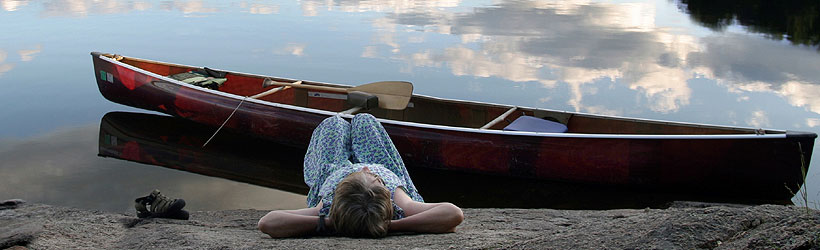
Peaceful moments slide by, marked only by the slight splash of paddles swirling little eddies into some calm stretch of lake. Hushed mist lifts gently from the water as the predawn quiet is broken by the first sounds of birds and breezes called to life by the faint hint of morning sunshine. Here in Boundary Waters Canoe Area Wilderness (BWCAW), the lure is long days in a watery wilderness, a paradise for canoers, kayakers and hikers.
There are more than 1200 miles of designated canoe routes in Boundary Waters, 2000 campsites and 16 hiking trails (these are better suited for backpackers and not canoe portaging!). Permits are required for all visitors during peak season, and early reservations a good idea for those with a specific route in mind (BWCAW operates on a quota system). Local outfitters can help those unfamiliar with the area pick the best spot to start and provide gear, from canoes to camping essentials. Keep in mind, as you plan, that summer months are busiest, but the area still accessible with paddle in early autumn and late spring.
BWCAW might be best known to canoers, but there are some splendid long-distance trails lacing the area, perfect for weary paddlers looking for a day or two of land-based fun. Choose from loop trails like Snowbank Trail, the Border Route Trail, meandering along the Canadian border for 75 miles, or take the Eagle Mountain Trail to the top for views from the highest perch around. There are also a number of routes that are suitable as day hikes, if time is an issue.
Come winter snows and icy temperatures, BWCAW is noticeably less crowded, frequented only by cross-country skiers, snowshoers and mushers over from Ely with their dog sleds.
Whether you're exploring BWCAW on foot, on skis or by boat, make sure to head into the region armed with a good map.
The Boundary Waters Canoe Area Wilderness has 62 entry points for paddlers with permits. Ely, to the east on Lake Superior, is a good spot to stock up on supplies and plan your trip before setting out.
Ely is 112 miles from Duluth.